

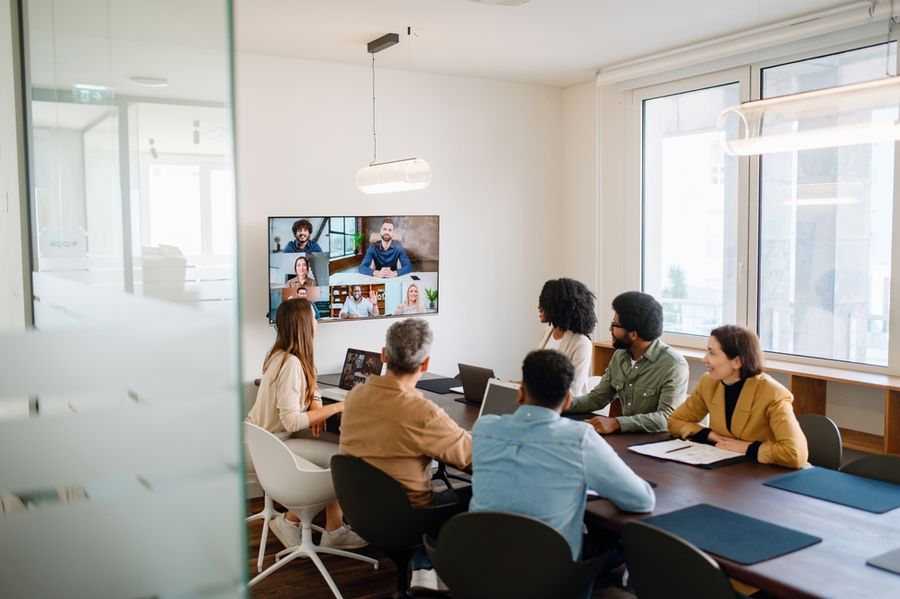
Work environments have changed significantly, giving professionals more choices than ever before. Some prefer the flexibility of working from home, while others thrive in a structured office setting. Each option offers unique benefits and challenges that can affect productivity, work-life balance, and career growth. Understanding the differences between remote and office work can help individuals choose a path that aligns with their preferences, lifestyle, and long-term goals.
Flexibility and Daily Schedule Differences
Remote work is often praised for its flexibility. Many remote roles allow employees to set their own schedules or adjust their work hours to match personal productivity patterns. This flexibility can make it easier to manage responsibilities like childcare or appointments without disrupting the workday.
Office jobs usually follow a fixed schedule, which can provide structure and consistency. While some may find strict hours limiting, others benefit from a predictable routine. Having set start and end times can help maintain discipline and ensure work is completed within designated hours, creating a clear rhythm to the day.
Work Environment and Comfort Levels
Working from home allows for a fully customizable environment. Employees can design a workspace that suits their comfort and preferences, from furniture to lighting and noise levels. This level of control can improve focus and overall job satisfaction.
In contrast, office environments are shared spaces with less personal control. While offices provide professional settings and necessary resources, they may not suit everyone’s preferences. Factors like noise, temperature, and layout can impact comfort. However, having a dedicated workspace outside the home can help some individuals stay focused and productive.
Collaboration and Communication Styles
Office environments naturally encourage collaboration through face-to-face interactions. Quick conversations, brainstorming sessions, and immediate feedback can lead to faster problem-solving and stronger team connections.
Remote work relies more on digital communication tools, which can sometimes lead to delays or misunderstandings. While video calls and messaging platforms help bridge the gap, they don’t always replicate in-person interaction. Strong communication skills and clear processes are essential in remote settings to ensure everyone stays aligned and projects move forward efficiently.
Productivity and Potential Distractions
Many remote workers report higher productivity due to fewer office interruptions and the ability to create a focused environment. Without constant meetings or casual workplace distractions, tasks can often be completed more efficiently.
However, working from home also comes with its own set of distractions. Household responsibilities, family members, and a lack of supervision can make it harder to stay on track. Office settings may include distractions as well, but the structured environment can help some individuals remain focused and accountable throughout the day.
Work-Life Balance and Personal Well-Being
Remote work can improve work-life balance by eliminating commutes and allowing more time for personal activities. Many employees appreciate the ability to integrate work with daily life more seamlessly.
On the other hand, the boundaries between work and personal life can blur when working from home. Some people find it difficult to disconnect, leading to longer hours and increased stress. Office jobs create a physical separation between work and home, which can make it easier to switch off and maintain a healthier balance.
Costs and Career Growth Opportunities
Remote work often reduces expenses such as commuting, meals, and work attire. Businesses can also save on overhead costs like office space and utilities, which can be significant over time.
Office jobs may involve higher personal costs, but they often provide better access to resources, mentorship, and networking opportunities. Being physically present can make it easier to build relationships and learn from colleagues. For some professionals, this direct exposure can support faster career development and advancement.
Hybrid Work: Blending Flexibility With Structure
A hybrid work model combines elements of both remote and office environments, offering flexibility while maintaining some level of in-person collaboration. Employees may split their time between home and the office, allowing them to benefit from both independence and team interaction. This approach has become increasingly popular as companies look for ways to balance productivity with employee satisfaction.
Hybrid work can help reduce some of the downsides of each model. Employees gain flexibility without feeling isolated, and businesses maintain stronger collaboration without requiring full-time office presence. While it may require careful scheduling and communication, a hybrid setup can provide a balanced solution that supports both personal preferences and organizational needs.
Finding the Right Fit for Your Work Style
Choosing between remote and office work depends on personal preferences, career goals, and the type of work being performed. Some individuals value flexibility and independence, while others prefer structure and in-person collaboration.
There’s no one-size-fits-all answer. Understanding the pros and cons of each option makes it easier to find a work environment that supports both productivity and well-being. For many, a hybrid approach may offer the best balance between flexibility and connection.